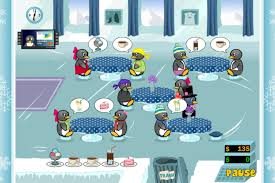
Use smart task order and table awareness to keep service moving during the busiest levels.
Batch decisions, not customers
Fast play does not mean clicking everything at once. It means making the next useful decision before the current movement finishes. While Penny walks, scan the kitchen, patience bars, dirty tables, and entrance so the next click is ready.
Prioritize ready food
A ready dish represents a customer whose patience is still falling and a kitchen slot that has already completed its work. Delivering it usually has higher urgency than seating a new guest, especially when the waiting customer still has a full patience bar.
Protect bottleneck tables
When nearly every table is occupied, one dirty table can stop the entire queue. Collecting that tip and reopening the table creates immediate capacity. During rush periods, keep at least one table moving through the final clean-and-collect stage.
Avoid long crossing routes
When two tasks have similar urgency, choose the one closer to Penny. Reducing unnecessary crossings gives you more completed actions within the same countdown and keeps the service animation feeling controlled.
Use a repeatable scan order
A reliable scan is kitchen, red patience bars, dirty tables, raised flippers, then entrance. Repeating this order prevents visual clutter from controlling your decisions.
Final takeaway
The best results come from reading the entire diner rather than reacting to one animation at a time. Use the countdown and earnings pace as your overall guide, then choose the most urgent table action that moves a customer closer to payment.
Practice the strategy
Return to the game and apply the ideas during the next shift.