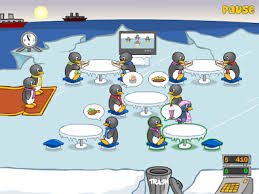
A closer look at the clear service loop, charming theme, and lasting appeal of the diner formula.
A clear fantasy
The appeal begins with a simple role: run an arctic diner for penguin guests. The setting is playful, but the work is immediately understandable because seating, ordering, serving, and cleaning mirror a real restaurant cycle.
Readable pressure
Strong time-management games make pressure visible. Customer patience bars, order bubbles, kitchen progress, a countdown, and a daily earnings target explain what matters without long instructions.
Short feedback loops
Every completed table produces a tip, a clean table, and room for another guest. These small rewards arrive often enough to make improvement easy to notice.
Meaningful upgrades
Movement, patience, and tips are simple upgrade categories, yet each supports a different play style. Players can solve the problem they personally feel most often.
Why the formula remains effective
The core loop is easy to learn, but overlapping customers create enough variation to reward planning. That combination of clarity, charm, and increasing pressure keeps the concept enjoyable even in a modern browser layout.
Final takeaway
The best results come from reading the entire diner rather than reacting to one animation at a time. Use the countdown and earnings pace as your overall guide, then choose the most urgent table action that moves a customer closer to payment.
Practice the strategy
Return to the game and apply the ideas during the next shift.